Hispanic Heritage Month is almost over, and before it closes, we wanted to slow down and actually explain what we mean when we say flamenco instead of just using the word.
Where flamenco actually comes from
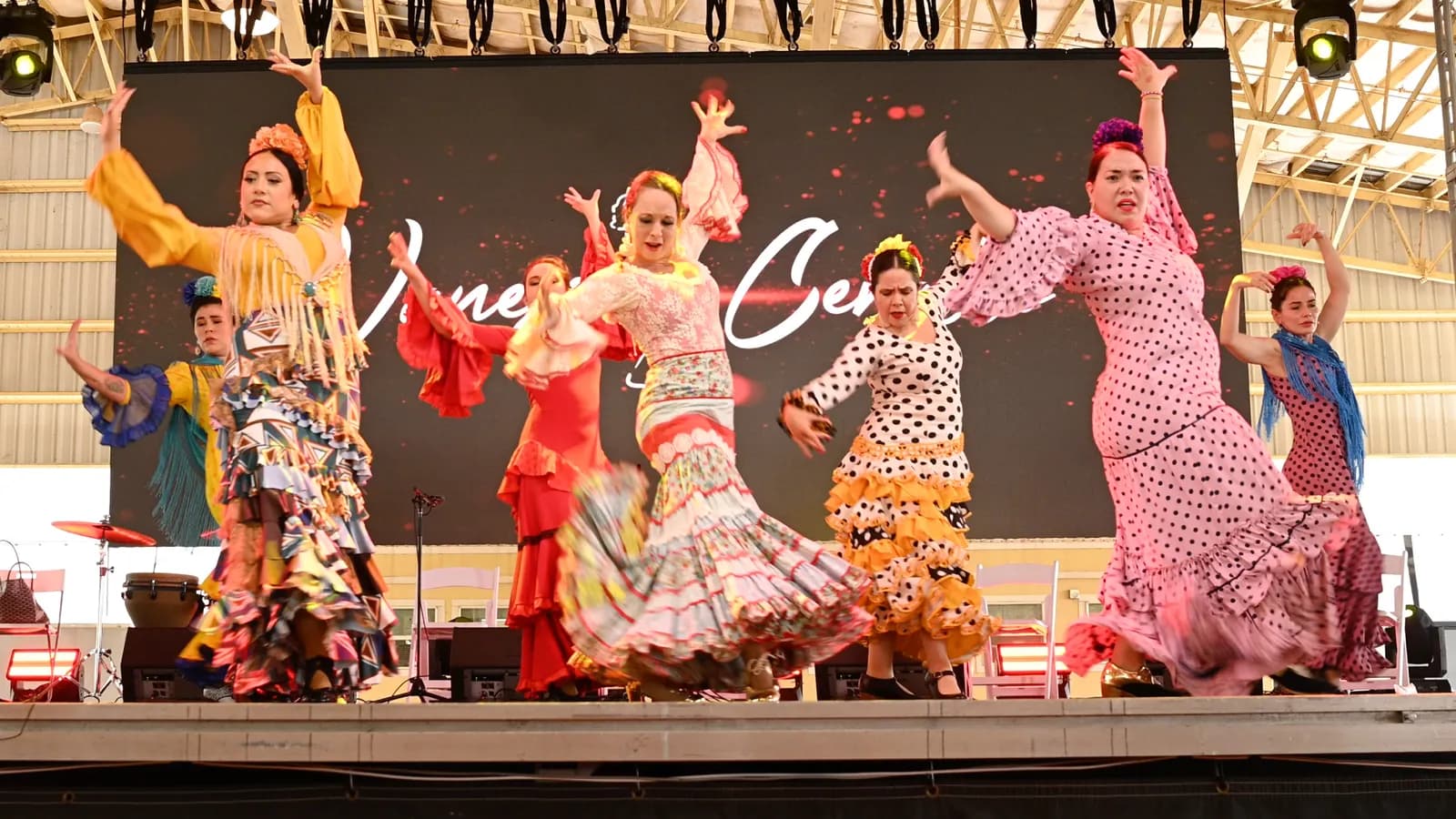
Flamenco was born in Andalusia, in southern Spain, out of centuries of blending — Romani, Andalusian, and Moorish influence, layered together over generations. It wasn't designed. It was lived, passed down, and reshaped by the people who danced it, often in communities with very little else to call their own.
Why it survived
Flamenco didn't survive because someone wrote it down and preserved it in a museum. It survived because people kept dancing it — in homes, in courtyards, at celebrations and hard moments alike, generation after generation. That's a very different kind of history than the kind you read about. It's a history you can still feel in your body.
How that shows up in a Training Experience today
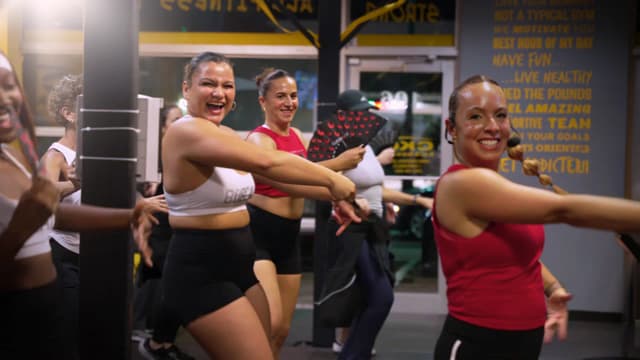
When you learn footwork, arm styling, or a marcaje in a FlamenkFit Training Experience, you're not just learning choreography. You're touching a small piece of that same lineage — rhythm and movement that outlasted the people who first danced it. We didn't invent any of this. We're one small part of its continuation.
The takeaway
Thank you for celebrating Hispanic Heritage Month with us this year. Flamenco isn't a theme we borrowed for a fitness brand — it's the reason FlamenkFit exists at all, and we don't take that lightly.